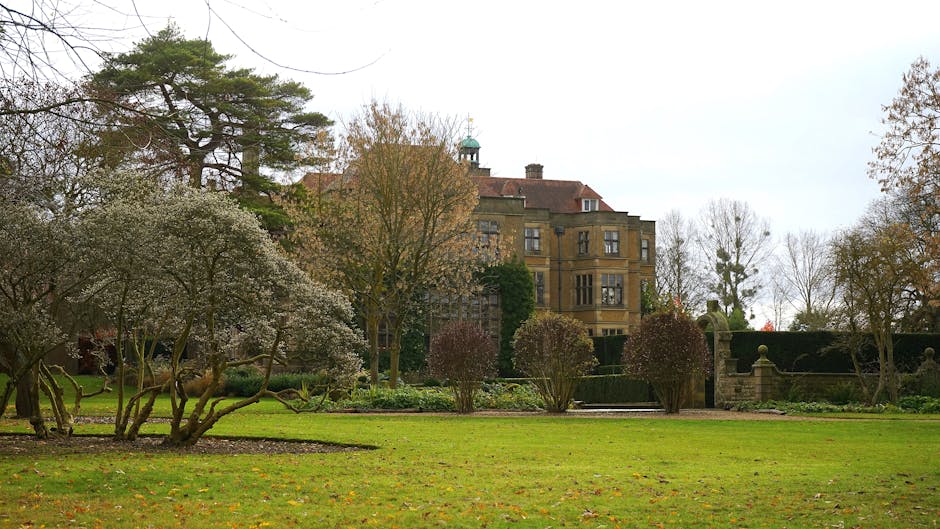
Estate gardeners for Ruislip Manor properties

If you manage a larger garden, shared grounds, or a period property with a bit of presence, you already know the difference between routine tidying and proper estate care. Estate gardeners for Ruislip Manor properties do more than mow a lawn or trim a hedge. They keep outdoor spaces orderly, healthy, safe, and attractive through the year, with the kind of consistency that makes a property feel looked after rather than merely maintained.
In Ruislip Manor, where homes can range from compact front gardens to bigger private plots and communal spaces, the right gardening support can save time, reduce hassle, and protect the overall look of the property. This guide explains what estate gardening involves, how the service works, when it makes sense, and what to look for if you want reliable, professional results. A lot of people assume garden care is just about appearance. Truth be told, it often affects safety, access, and long-term costs too.
Whether you are looking after a family home, a rental, or a property with shared outside areas, this article will help you make a calmer, better-informed decision.
Why Estate gardeners for Ruislip Manor properties Matters
Estate gardening matters because larger or more visible gardens behave differently from small private patches. One missed cycle of hedge trimming can make an entrance feel scruffy. A patchy lawn can throw off the whole front aspect. Overgrown borders, damp corners, and unmanaged trees can quietly create problems that are easy to ignore in winter and annoying by spring.
For Ruislip Manor properties, this is especially relevant where kerb appeal, tidy access, and well-kept shared spaces can shape how a home or building is perceived. If you are dealing with a driveway edge, boundary hedge, side return, or rear garden that needs regular attention, an estate-style approach gives structure. It is less about reactive clean-ups and more about staying ahead of the mess.
That is the real value: consistency. A grounds plan that keeps on top of growth is often cheaper and less disruptive than waiting for everything to run away for two months. And yes, gardens do that. Fast. Especially after a wet spell.
Estate gardeners also help with the less glamorous jobs that still matter: clearing leaves before they clog paths, removing dead material, managing waste, and checking areas that look fine from the kitchen window but are becoming awkward underfoot. If you want a broader view of what a joined-up service can cover, the services overview is a useful starting point.
How Estate gardeners for Ruislip Manor properties Works
Estate gardening is usually built around a planned routine rather than one-off visits. The exact schedule depends on the site, but the process tends to follow the same pattern.
- Initial assessment. The gardener looks at the layout, condition, growth patterns, access points, and any areas that need special care.
- Prioritising tasks. Some jobs are cosmetic, others are structural or safety-related. A good service distinguishes between them quickly.
- Scheduled maintenance. This may include mowing, hedge cutting, border tidying, weeding, sweeping, and seasonal pruning.
- Specialist work. Larger gardens sometimes need clearance, tree work, decking care, or landscape adjustments as problems build up.
- Waste handling and tidy-down. The final step matters more than people think. A garden can be technically "done" but still feel unfinished if clippings and debris are left behind.
In practice, estate gardeners often combine services. For example, a spring visit may include lawn mowing, hedge trimming, and a light clearance of accumulated debris. Later in the year, the work may shift toward leaf management and preparing beds for colder weather. It is a bit like housekeeping for the outdoors: regular, practical, and not especially dramatic, but hugely noticeable when it is done well.
If a property has overgrown sections or neglected corners, a more intensive reset may be needed first. In those cases, garden clearance can make the site manageable again before a maintenance rhythm is put in place. Where the design or layout itself needs improvement, landscape gardening may come into the picture too.
Key Benefits and Practical Advantages
The benefits go well beyond a tidy border and a neat lawn. A properly managed estate garden tends to be easier to use, safer to move through, and simpler to maintain over time.
- Better first impressions. The approach to a property shapes how everything else feels, especially with larger homes or shared entrances.
- Lower long-term effort. Regular maintenance prevents the bigger, more expensive clean-up jobs that happen when growth is left unchecked.
- Improved safety. Clear paths, controlled vegetation, and sensible tree care reduce the chance of trip hazards or obstructed access.
- Healthier planting. Shrubs, hedges, and lawns often perform better when they are cut and managed at the right times.
- Less stress for owners or managers. You are not constantly chasing one garden problem after another. That alone is a relief.
There is also a quieter advantage: the property begins to look intentional. Not just tidy. Intentional. A front garden with even growth, clear lines, and clean edges feels looked after in a way that patchy, ad hoc care never quite achieves.
For some estates, that consistency supports resident satisfaction. For others, it helps preserve the presentation of a family home or rental property. Either way, the principle is the same: small, regular actions prevent bigger headaches later on.
Who This Is For and When It Makes Sense
Estate gardening is a strong fit for property owners and managers who need more than occasional garden tidying. It makes particular sense if you have one or more of the following:
- a larger private garden that changes quickly through the seasons
- shared outdoor areas that need consistent presentation
- hedges, shrubs, or trees that create recurring maintenance demands
- a home with a prominent front garden or entrance
- a property preparing for sale, letting, or refurbishment
- a garden that has slipped behind and now needs a reset
It is also a sensible option if you are busy, travelling, or simply tired of spending your weekends wrestling with growth. Let's face it, most people do not want to spend Saturday afternoon dragging branches across a lawn while the tea goes cold.
In Ruislip Manor, this can be especially useful for older homes with mature planting, where the garden has structure but needs a steady hand. It also works well where access is a little awkward and the garden seems fine at a glance, yet always takes more effort than expected. Those are the jobs that quietly eat time.
If you are unsure whether you need ongoing care or one-off help, a look at garden maintenance can help you compare what regular support looks like versus isolated visits.
Step-by-Step Guidance
If you want to approach estate gardening properly, it helps to think in stages rather than tasks. That way the work feels manageable and the results tend to last longer.
1. Walk the property from the boundary inward
Start with the outer edges, paths, access points, and the areas people see first. Then move toward lawns, beds, and more hidden corners. This order prevents you from spending time on details before the property is generally under control.
2. Identify the recurring jobs
Some things need frequent attention: lawn cutting, hedge trimming, and edging. Others are seasonal: pruning, leaf removal, or cutting back tired growth. Knowing the rhythm helps you plan, rather than reacting every time something looks messy.
3. Separate maintenance from restoration
If the garden is badly overgrown, do not treat it like a normal tidy-up. A restoration job may need clearance, deeper pruning, or even light landscaping work before regular upkeep can begin.
4. Prioritise safety and access
Before you chase the "pretty" work, make sure the paths are safe, gates open properly, and any low branches or blocked entrances are dealt with. That sounds obvious, but it gets overlooked all the time.
5. Set a routine that matches the garden
The right schedule depends on growth rate, property use, and the amount of ground involved. A neat, smaller area may only need lighter but regular care. A bigger estate-style garden usually benefits from a more structured schedule across the year.
6. Review after each visit
Ask what changed, what is coming next, and whether any issues are building up. That follow-up keeps the service proactive rather than purely reactive.
For gardens with thicker hedging or boundary screening, hedge trimming often becomes one of the most valuable routine tasks. If there are lawns involved, lawn mowing is usually the backbone of the whole maintenance plan.
Expert Tips for Better Results
The best estate gardening results often come from small, disciplined habits rather than heroic effort. Here are a few things that make a real difference.
- Keep cuts consistent. Uneven hedge work and patchy mowing make even a decent garden look untidy.
- Do the edges properly. A crisp lawn edge can lift the whole appearance of a garden in a way people often underestimate.
- Watch the hidden corners. Sides, back gates, and low-traffic areas collect leaf litter and weeds quickly.
- Think in seasons. What works in April will not be enough in October. The garden changes, and the plan should too.
- Leave room for access. Big properties often need practical paths for equipment, bins, or simple movement. Overgrown planting can become annoying fast.
A useful rule of thumb: if a job is easy to put off, it is probably worth scheduling rather than hoping you will "get to it." That little trick saves a lot of grief. It really does.
And if trees are casting too much shade or becoming awkward to manage, do not leave them to guesswork. Professional tree lopping and removal may be the safer route, especially where branches affect buildings, driveways, or light levels.
Where a property includes timber features, seating areas, or a terrace that sits within the garden layout, you may also want to look at decking services so the entire outdoor space feels cohesive rather than pieced together over time.
Common Mistakes to Avoid
Estate gardening can go wrong in surprisingly ordinary ways. Usually not because someone has done something dramatic, but because they have left too much too late.
- Ignoring growth cycles. Missing the right time for trimming often means more work later.
- Doing a huge cut all at once. Some plants tolerate hard reduction better than others. Heavy-handed work can leave gaps or stress growth.
- Focusing only on visible spaces. The side return, rear boundary, and service paths matter too.
- Using a one-off clean-up as a long-term solution. A tidy garden is not the same as a maintained garden.
- Forgetting waste disposal. Green waste builds up quickly and can make a finished garden feel unfinished.
Another common mistake is assuming all garden work is interchangeable. It is not. Mowing, pruning, hedge cutting, clearance, and landscape work each call for different timing and judgement. Mixing them up can lead to poor results or, frankly, a lot of wasted energy.
One small but important point: if a garden is muddy, shaded, or badly compacted, it may need more than surface tidying. Cutting everything back does not fix drainage, soil structure, or poor planting choices. It just makes the problem easier to see.
Tools, Resources and Recommendations
The right tools matter, but only when they are matched to the job. For estate-style garden care, the emphasis should be on reliable equipment, sensible maintenance, and proper waste handling rather than fancy kit for its own sake.
| Task | Typical approach | Why it helps |
|---|---|---|
| Lawn care | Regular cutting, edging, and seasonal adjustments | Keeps the lawn even and prevents it from looking neglected |
| Hedges and shrubs | Measured trimming and shape control | Preserves structure without overcutting |
| Clearance work | Removal of dead growth, debris, and accumulated waste | Restores access and stops the garden feeling cramped |
| Tree management | Inspection and targeted cutting or removal where needed | Supports safety, light, and overall balance |
From a practical standpoint, a homeowner or manager should look for a team that can handle not just maintenance but the related jobs that crop up around it. That is why service pages like garden clearance, landscaping, and services overview can be helpful when you are planning a broader outdoor programme.
If you are comparing providers, ask how they deal with waste, what happens if weather disrupts a visit, and whether they can adjust the schedule as the garden changes. That sort of question tends to separate the polished sales talk from the people who actually understand the work.
There is also value in choosing a company that is transparent about process and pricing. For that side of things, pricing and quotes is worth reviewing before you commit.
Law, Compliance, Standards, and Best Practice
With garden and grounds work, the main thing is to keep safety, property care, and sensible working practice in mind. Exact duties depend on the site and the work being done, so it is wise not to overstate anything. Still, there are some common best practices worth keeping in view.
For example, tree and hedge work should be approached carefully where height, access, electrical lines, or nearby structures are involved. Waste should be handled responsibly. Tools should be maintained. And if a contractor is working on a managed site or around residents, communication matters as much as the cutting itself.
That is where a provider's internal policies can be reassuring. Pages such as health and safety policy, insurance and safety, and recycling and sustainability help show how a company thinks about risk, waste, and day-to-day professionalism.
In plain English: you want a team that works carefully, tidies properly, and does not treat your property like a scramble course. Not exactly a high bar, but you would be surprised.
If you are unsure about terms in a quote or service agreement, take your time and read them. The terms and conditions page can help set expectations around scope, timing, and responsibilities. That sort of clarity prevents awkward conversations later.
Options, Methods, and Comparison Table
Not every property needs the same type of help. Some only need seasonal support. Others need a more regular grounds programme. Here is a simple comparison to make the choice clearer.
| Approach | Best for | Strengths | Limitations |
|---|---|---|---|
| One-off garden tidy | Minor overgrowth, special events, quick refreshes | Fast, useful, straightforward | Does not prevent the garden from slipping back |
| Regular maintenance | Most homes and managed properties | Consistent appearance, fewer surprises | Needs ongoing scheduling |
| Clearance followed by maintenance | Overgrown or neglected gardens | Resets the space and creates a stable baseline | More initial effort and planning |
| Full landscape improvement | Properties needing layout changes or a better design | Can transform the usability of the garden | Usually more involved and less immediate |
For many Ruislip Manor properties, the best answer is a combination. Start with what is currently getting in the way, then move into regular care. It is not glamorous, but it works.
If you are comparing improvement options, it may help to see whether the current issue is cosmetic, structural, or both. A tired lawn needs one approach. A cluttered, uneven, underused garden may need something closer to light landscaping.
Case Study or Real-World Example
Imagine a family home in Ruislip Manor with a front garden that looked fine from the road at first glance, but the hedge had thickened, the lawn edges were soft, and the side access had become a little awkward. Nothing dramatic. Just enough to make the place feel less cared for than it really was.
The first visit focused on clearance, hedge reduction, and restoring the boundaries. The second stage moved into routine maintenance: regular mowing, edging, and seasonal cutting. A few weeks later, the whole property felt lighter. Not redesigned. Just calmer. The entrance was easier to read, the paths were clearer, and the garden stopped demanding attention every time someone came and went.
That is the thing with estate-style care. The improvement is often subtle but immediate. You walk outside and think, yes, that feels better. The air moves through the space differently. Sounds carry a bit more. It just feels looked after.
And once a property reaches that point, keeping it there becomes much easier than getting there in the first place.
Practical Checklist
Use this checklist if you are deciding whether to book estate gardening support or planning a proper maintenance cycle.
- Walk the property and note the most visible problem areas.
- Separate urgent safety issues from cosmetic ones.
- Check whether the garden needs clearance before maintenance begins.
- List recurring jobs such as mowing, hedge trimming, and leaf removal.
- Consider whether tree work or landscaping improvements are needed.
- Ask how waste will be removed and where it will go.
- Confirm how often the property should be visited across the year.
- Review insurance, health and safety, and service terms before agreeing.
- Think about access for tools, machinery, and collection of materials.
- Make sure the plan fits the property, not just the budget.
If you want a straightforward next step, you can also review the company's background on the about us page before making contact. It often helps to know who you are speaking to, especially with ongoing property care.
Get a free quote today and see how much you can save.
Conclusion
Estate gardeners for Ruislip Manor properties play a bigger role than many people realise. They keep outdoor spaces presentable, practical, and safer to use, while preventing the slow creep of neglect that happens so easily with bigger or more complex gardens. Whether you need steady maintenance, a clearance reset, or support with hedges, lawns, trees, or landscaping, a joined-up approach is usually the smarter one.
The best results come from clear planning, regular attention, and a team that understands the difference between a quick tidy and proper grounds care. If your property has started to feel harder to manage than it should, that is usually the sign to act. Not panic. Just act.
And once the work is underway, you tend to notice something nice: the garden stops being another chore and starts feeling like part of the home again.
Frequently Asked Questions
What do estate gardeners actually do?
Estate gardeners manage larger or more important outdoor spaces with regular, structured care. That can include mowing, hedge trimming, border work, clearance, tree management, and seasonal tidy-ups. The goal is consistent presentation and long-term control, not just a quick cut here and there.
How often should a larger property be maintained?
It depends on growth, usage, and the layout of the site. Some gardens need weekly or fortnightly attention in peak season, while others do well with less frequent visits. A good plan matches the garden's pace, not an arbitrary timetable.
Is estate gardening only for very large homes?
No. It is also useful for medium-sized properties with multiple beds, long hedges, shared entrances, or gardens that quickly become hard to manage. The word "estate" describes the style of care as much as the property size.
Do I need garden clearance before regular maintenance starts?
If the garden is overgrown, cluttered, or neglected, clearance is usually the sensible first step. It creates a manageable baseline. If the site is already tidy, regular maintenance may be enough on its own.
What is the difference between garden maintenance and landscaping?
Garden maintenance keeps the space in good condition through routine tasks. Landscaping changes the structure, layout, or features of the garden. One preserves; the other reshapes. Many properties need a bit of both over time.
Can estate gardeners help with hedge and tree work?
Yes, depending on the provider and the scope of work. Hedge trimming is often part of routine care, while tree work may be more specialist. If trees are large, awkward, or close to structures, careful assessment is important.
How do I know if my garden needs a one-off tidy or ongoing care?
If the garden keeps falling behind, ongoing care is usually the better choice. A one-off tidy is fine for a short-term refresh, but it will not stop growth from returning. If you want the place to stay neat, recurring maintenance tends to make more sense.
What should I ask before hiring an estate gardener?
Ask what is included, how often visits will happen, how waste is handled, whether they carry insurance, and what happens if weather affects the schedule. Clear answers are a good sign. Vague answers, less so.
Are there compliance issues I should think about?
Yes, especially around safety, insurance, waste handling, and the care of trees or hard-to-reach areas. The exact duties depend on the job, but professional providers should work carefully and communicate clearly about risks and responsibilities.
Can estate gardening improve kerb appeal?
Absolutely. Tidy lawns, controlled hedges, clean edges, and clear access paths can transform the way a property feels from the street. It is one of those improvements that people notice even if they cannot quite explain why.
What if my property already has decking or hard landscaping?
That is not a problem. In fact, those features often benefit from coordinated care so the garden and built elements feel balanced. If needed, decking upkeep and surrounding planting can be planned together for a more polished result.
How do I start if I am not sure what my garden needs?
Start with a simple walkthrough and note the areas that bother you most. Then decide whether you need clearance, maintenance, trimming, or a broader improvement plan. If in doubt, begin with the practical problems first. That usually brings clarity quickly.